These courses cover sacred knowledge sent down by Allah, along with the foundational skills a student needs to study and understand it. They focus on the Holy Qur'an and its deeper meanings, core beliefs, acts of worship, and Islamic character. They also include the study of the Arabic language in which the revelation was sent. All subjects are taught in structured levels, making them accessible to everyone from absolute beginners to advanced students.
General Academics (al-ʿilm al-ʿaqlī)
These courses cover knowledge developed through human effort, discovery, and critical thinking. They focus on subjects built around reading, mathematics, scientific testing, and observation—including literature, geography, history, and art. All subjects are taught progressively by grade level, starting from kindergarten and moving upward.
44 of 44 courses · 42 coming soon
Islamic & Arabic Studies (al-ʿilm al-naqlī)
Bunyān Arabic
Bunyān Arabic, one level a year. Each chapter teaches, then gives the child a practice half to work.
Bunyān Arabic — Level K
beginner
In Level K, students begin reading the Arabic script by learning the twenty-eight letters of the alphabet. They practice recognizing the shapes and sounds of each character. The course introduces the three short vowels, known as fatḥa, kasra, and ḍamma. Finally, learners practice blending these sounds to read their first complete words and join letters together.
This Level 1 class teaches the rules for reading the Quran. Students practice double vowels, silent letters, and closed syllables. They look at special marks like the shaddah and small letters found in the script. By the end of the year, the class reads short chapters directly from the text while applying basic pronunciation rules.
Level 2 introduces basic Arabic grammar and vocabulary for everyday communication. Learners practice forming two-word sentences, asking questions, and describing objects. The lessons cover masculine and feminine words, past tense verbs, and prepositions of location. Students also learn how to express possession, count to ten, and use plural forms for people and things.
Islamic studies in seven levels. One chapter per page.
Shajarah — Level 1: Nabt (Sprout)
beginner
Nabt, the seedling. Level 1 introduces students to the major prophets and righteous figures in Islamic history. They study the lives of messengers from Adam to Muhammad, understanding their trials and steadfastness. The course covers key individuals like Maryam, Luqman, and the People of the Cave, providing a foundational knowledge of prophetic history and character.
Aṣl, the root. In Level 2, students focus on the oneness of Allah and the nature of divine revelation. The material explains how the Quran serves as a preserved criterion for humanity. Students also examine practical ethics, learning how to maintain justice, practice modesty, and settle disagreements fairly within their families and communities.
Sāq, the stem. Level 3 connects internal faith with outward actions. Students examine the purpose of creation, the importance of sincerity, and the mechanics of personal accountability. The text details how prayer, remembrance, and reflection shape character, while emphasizing that true righteousness relies on piety rather than social status or tribal affiliation.
Designed for ages 13 and 14, Jidhʿ focuses on building the moral self. Students turn inward to clear their hearts and train their emotions. They then take these inner ethics outward into their relationships and civic life. Every chapter is built on the Qurʾān and ends with a quiz.
Furūʿ, the branches. Students in Level 5 study the foundational concepts of the religion, including the natural disposition of humanity and the finality of prophethood. They review the pillars of worship, such as fasting and pilgrimage. The lessons also address spiritual health, showing how to cure diseases of the heart and build excellent character.
Thamarāt, the fruit. In Level 6, students evaluate the development of Islamic scholarship and society. The course traces the era of the early caliphs, the expansion to Damascus, and the intellectual movements in Baghdad. Students learn how scholars preserved texts, reasoned through evidence, and maintained resilience during fragmentation.
Ḥiṣād, meaning the harvest, is the seventh and final level of the Shajarah series for ages 18 and up. This course places the Book of Allah in your hands as the only legislative authority in the dīn. You will learn a complete method to read the Qur'an as one coherent message, asking: in what statement after Allah and His verses will you believe?
Level one students study the meanings of thirteen short chapters from the Quran, starting with Al-Fatihah and finishing with An-Nas. They examine the historical context of each surah to understand why it was revealed. The lessons focus on extracting practical lessons about faith, character, and daily life from the Arabic text.
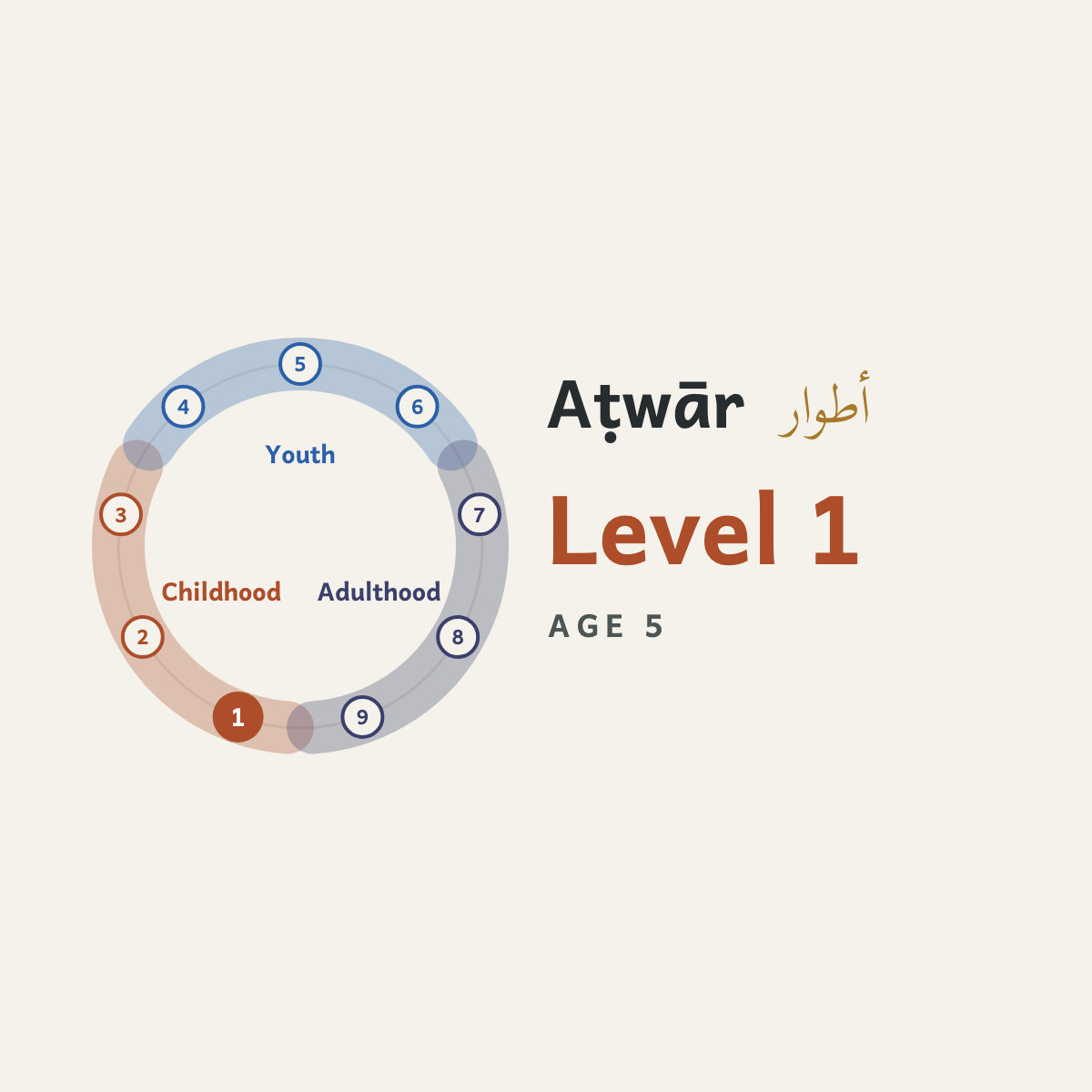
Aṭwār Level 1 introduces five-year-olds to Islamic beliefs and everyday good manners through 80 short, one-page lessons organized into eight chapters. Each page features a Qur'an verse, a picture story with read-aloud audio, a clear explanation of a big idea, three weekly activities with a promise to say, and a four-question quiz. Through these lessons, children learn that Allah is their Creator who is always near, discover the value of thanking Him, and learn how to show kindness to family, friends, and all living creatures.
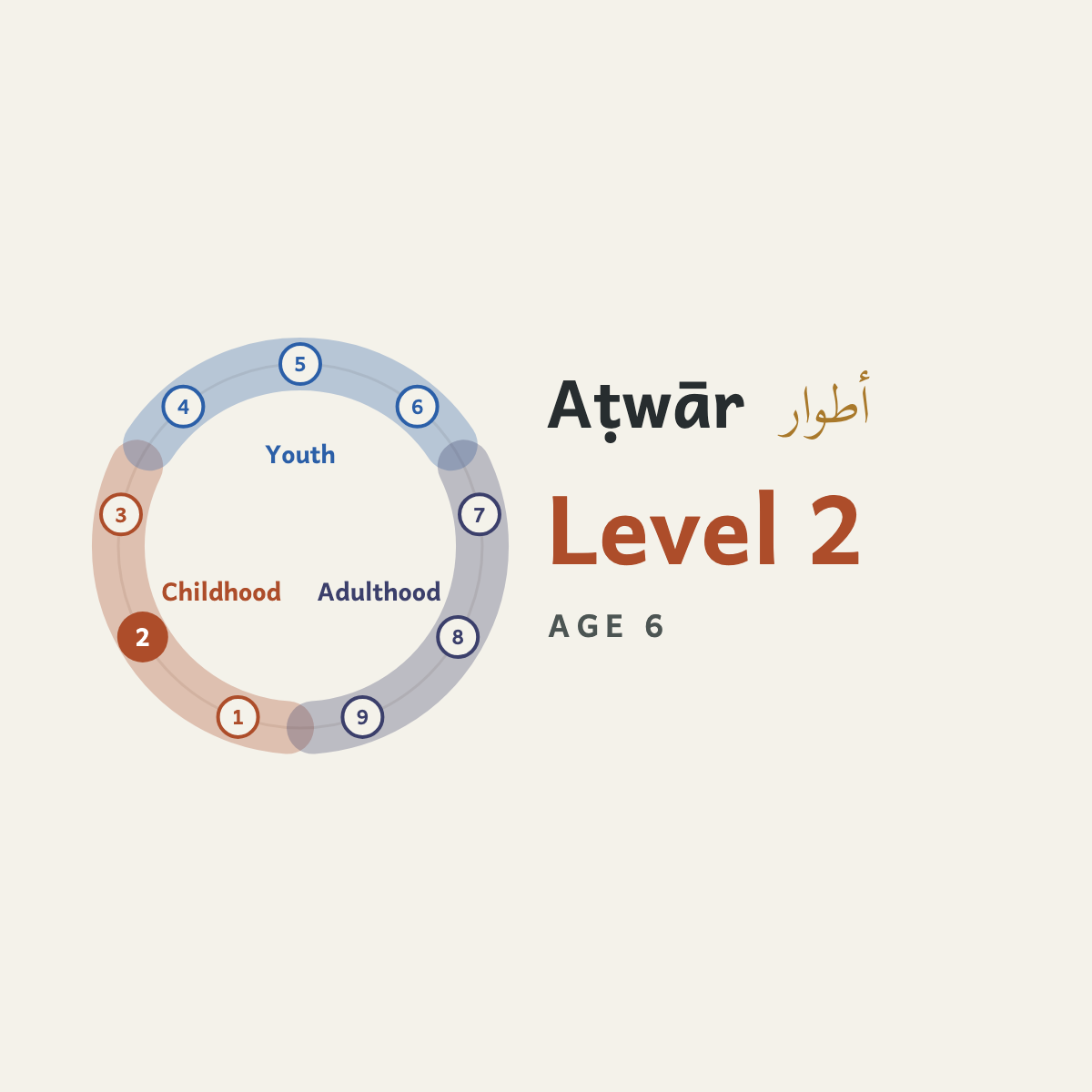
Level 2 is designed for six-year-olds learning to recognize big emotions and mend small mistakes. Grounded in the Qur'an, this stage guides young children to answer the question, “What do I do with what I feel?” Across 80 lessons, it gives parents a practical framework to nurture patience, empathy, and the habit of putting things right.
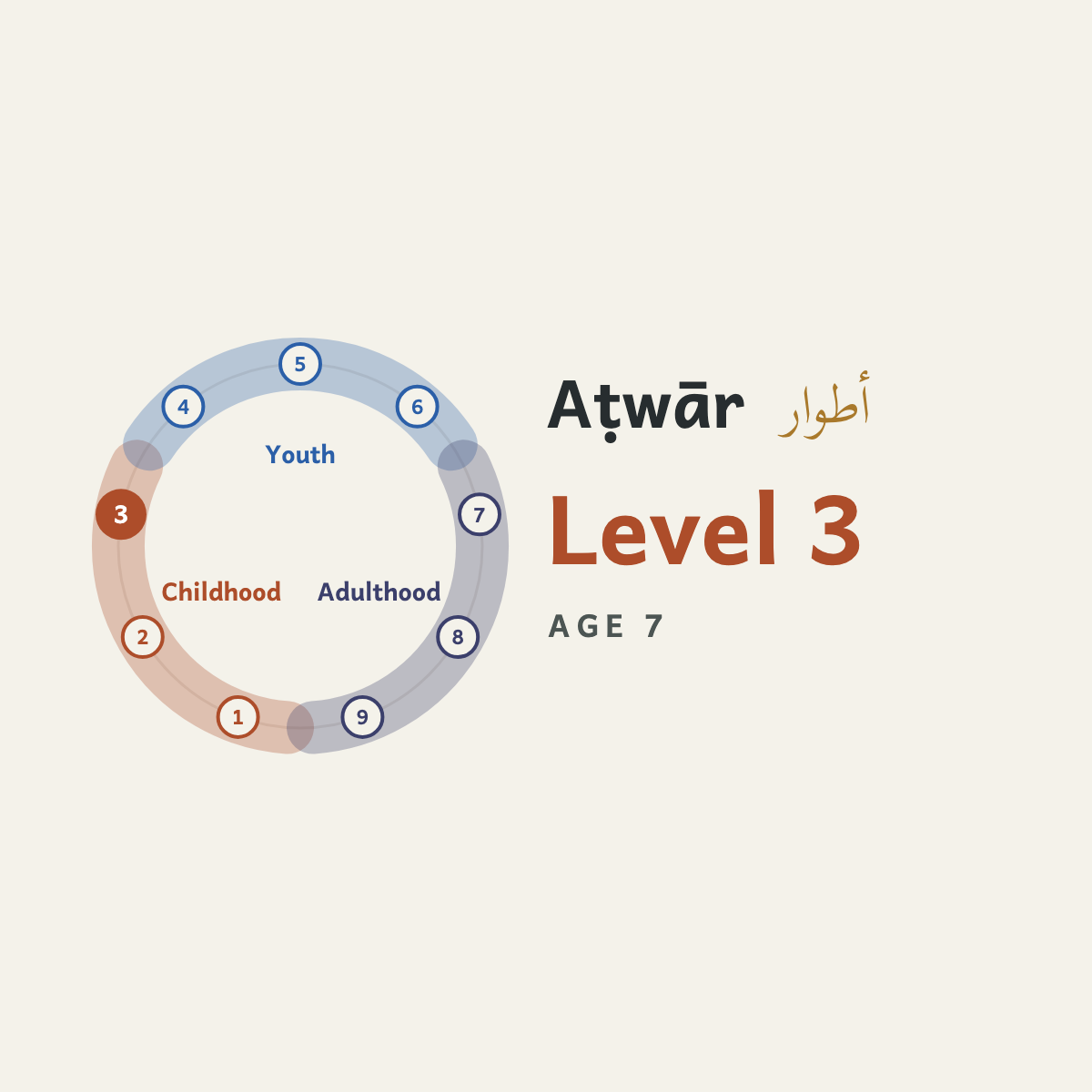
Level 3 focuses on honesty and dependability as seven-year-olds begin taking on independent responsibilities. Through 80 lessons drawn from the Qur'an, it prepares children to ask and answer, “Can I be trusted?” The aim is to build a reliable conscience, helping children keep promises and do the right thing even when no one is watching.
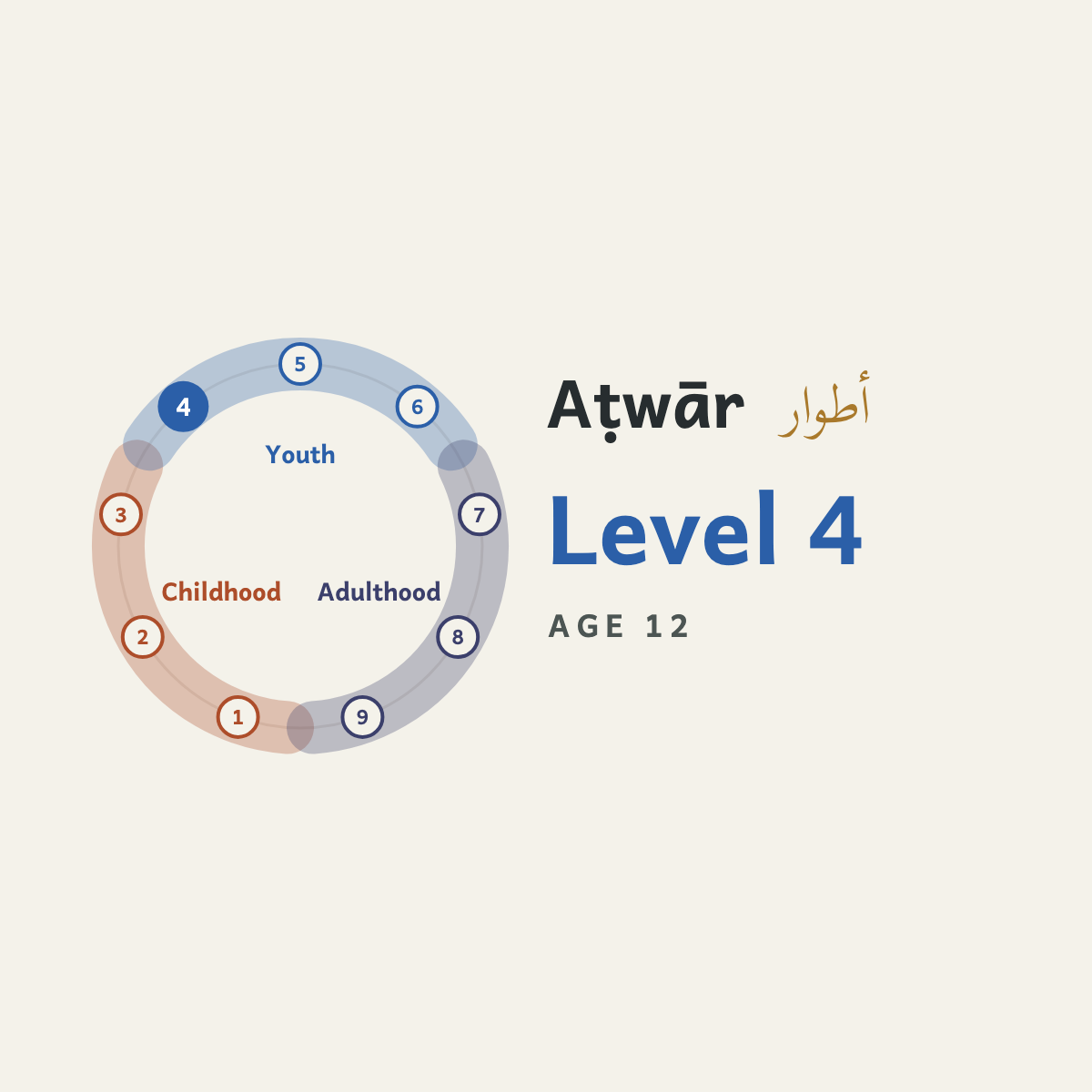
Level 4 meets twelve-year-olds at the onset of adolescence, where peer pressure and social awareness rapidly increase. Across 82 lessons, it guides youth through the essential question, “Who am I when others are watching?” It provides the Qur'anic foundation young teens need to protect their personal boundaries and remain grounded in their values.
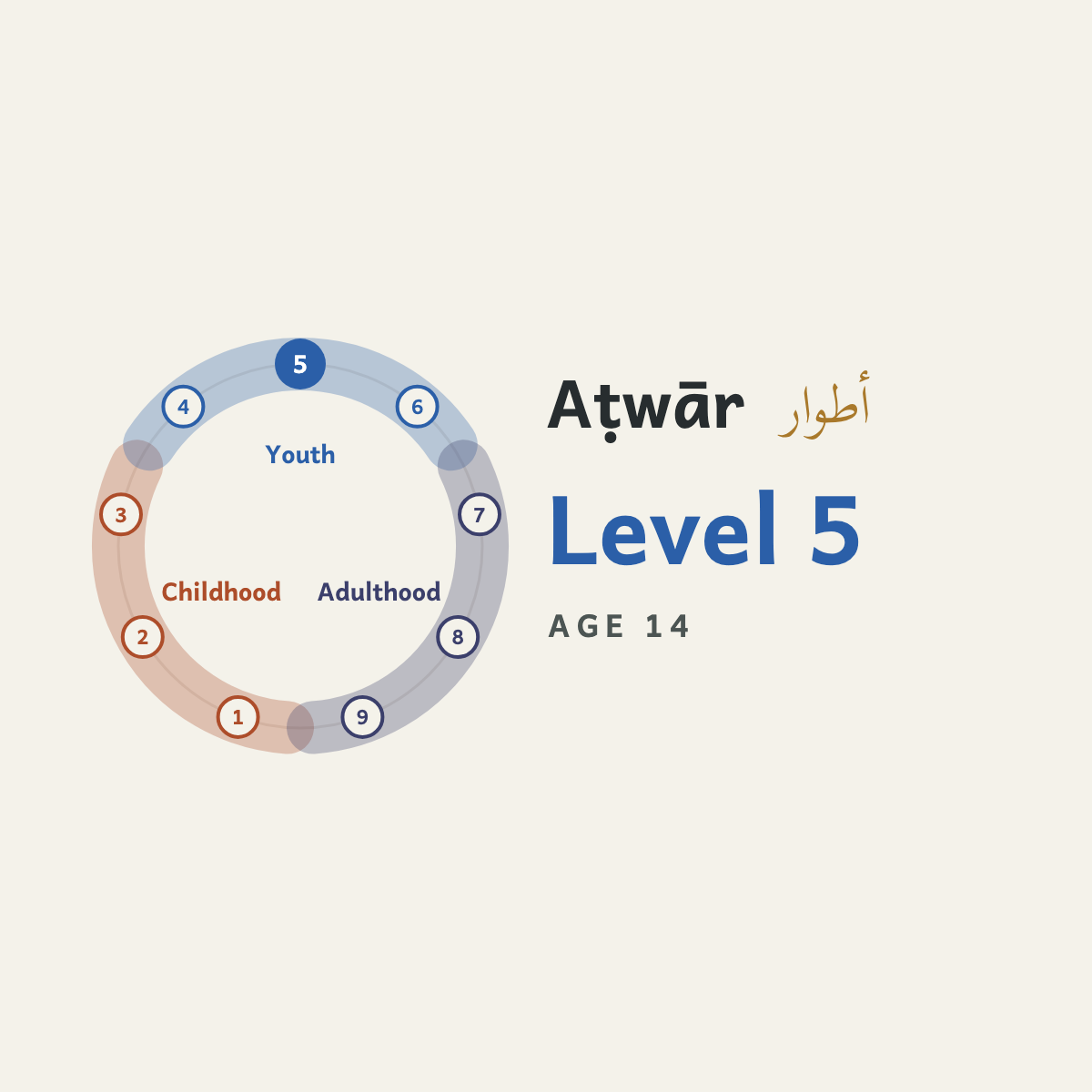
Level 5 helps fourteen-year-olds turn inherited family customs into reasoned, personal faith. Spanning 82 lessons, it challenges students to answer, “What do I stand for, and can I show why?” The curriculum prepares teenagers to articulate Islamic principles with clarity and hold their convictions with confidence.
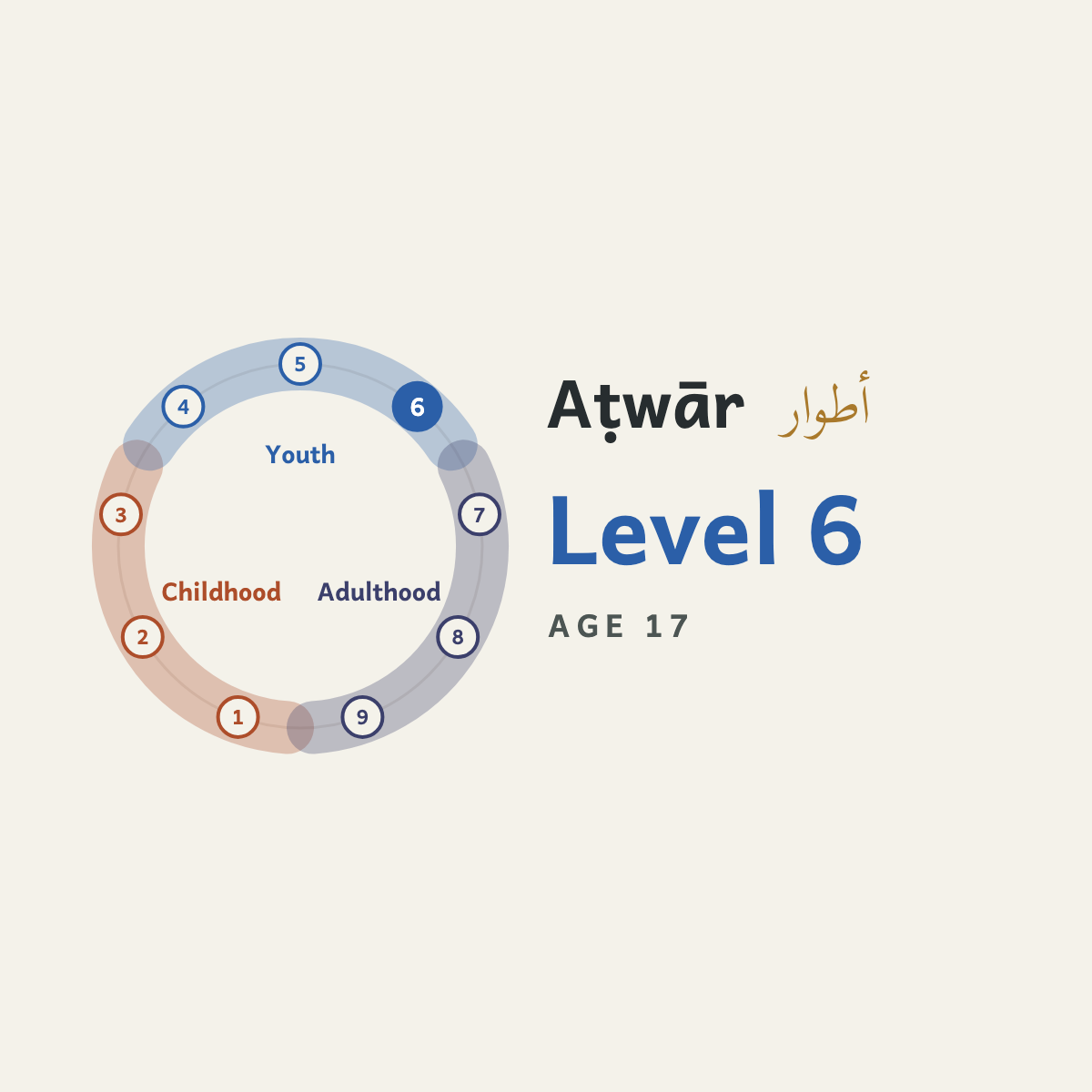
Level 6 is crafted for seventeen-year-olds stepping over the threshold into moral adulthood. Over 84 lessons, it addresses the core question, “What am I now responsible for?” It is designed to move young people from reliance on parents to active, disciplined ownership of their faith, time, and choices.
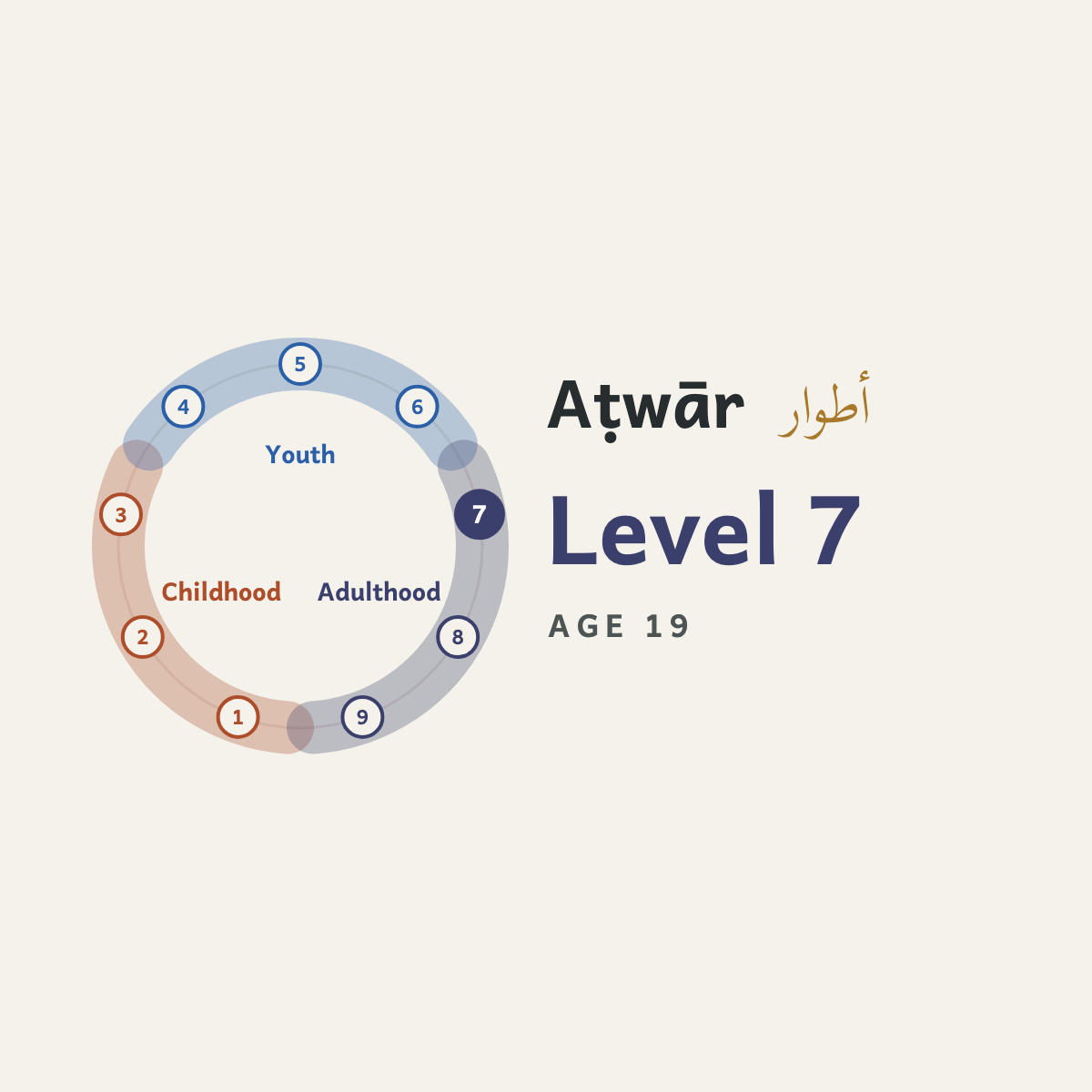
Level 7 supports nineteen-year-olds making the major decisions that will shape their adult lives. Across 84 lessons, it directs students to answer, “Who will I become, and with whom?” It focuses on choosing life paths, enduring friendships, and future marriage partners with spiritual maturity and clear purpose.
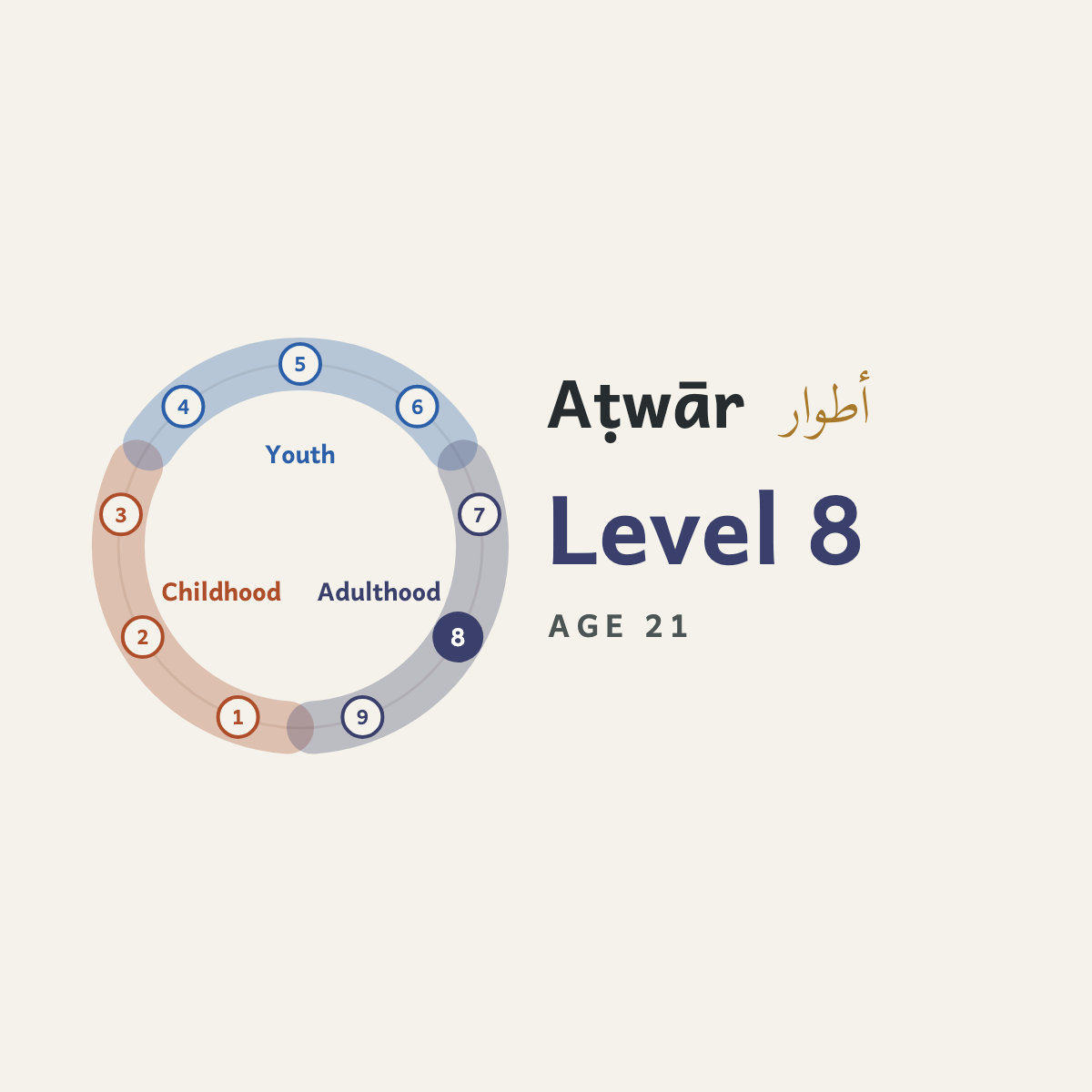
Level 8 is built for twenty-one-year-olds facing the demands of the workplace and the distractions of early adult life. Across 84 lessons, it addresses the urgent question, “How do I build without losing my soul?” The course provides the spiritual stamina needed to pursue worldly excellence while keeping heart and worship intact.
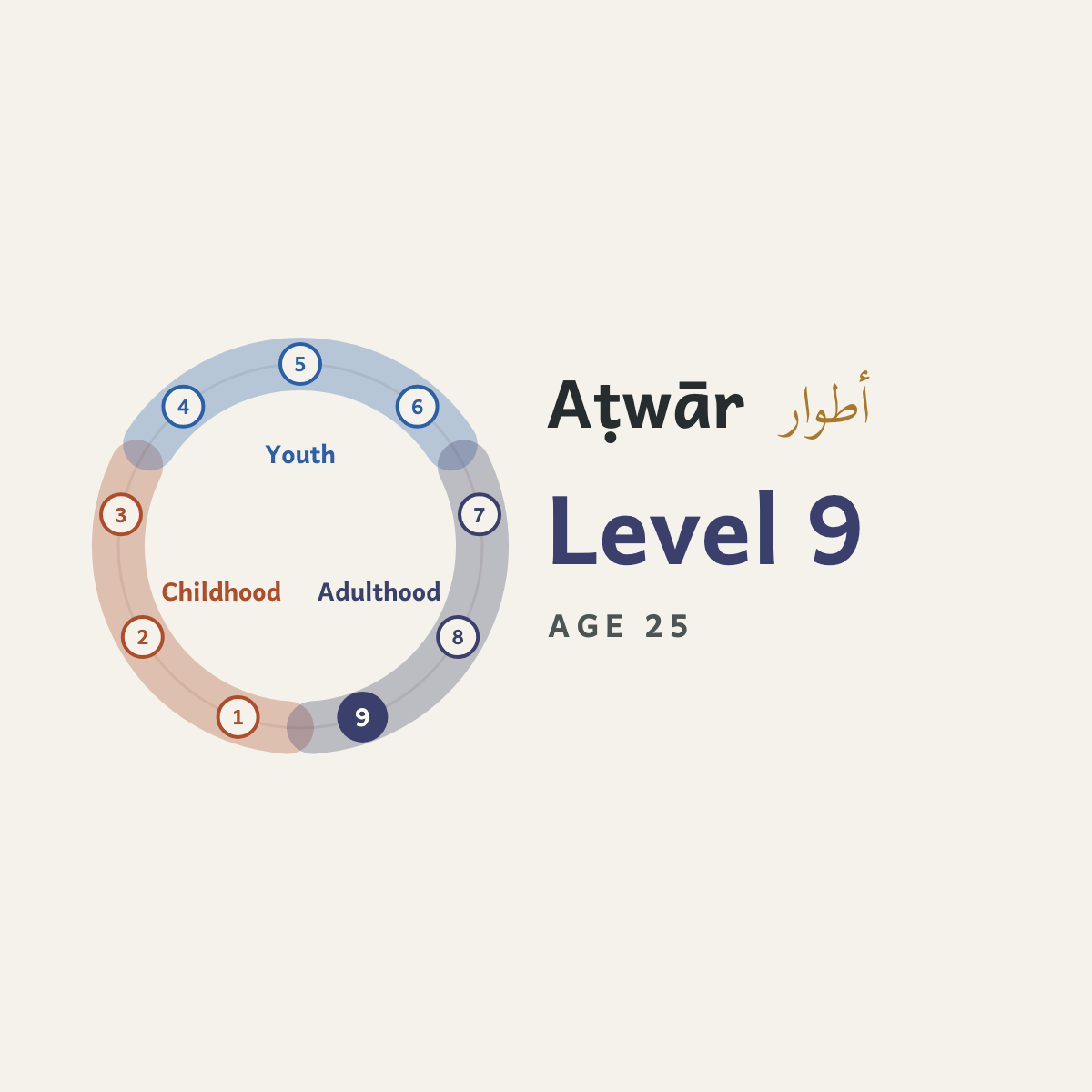
Level 9 meets twenty-five-year-olds as they settle into mature adulthood and look toward the future. Over 84 lessons, this culminating stage centers on the question, “What will I hand on?” It prepares adults to turn their life’s work, character, and resources into lasting benefit for their families and communities.
Mathematics, grades 2 to 6. Each lesson is one page with worked examples and a graded problem set.
Spectra Math — Grade K
beginner
Kindergarten students begin their mathematics education by focusing on basic numbers. They practice counting objects and writing numerals from zero up to seven. The course builds a strong foundation in number recognition and sequencing, helping students understand basic quantities and prepare for more advanced arithmetic in later grades.
First grade mathematics introduces addition and subtraction facts up to one hundred. Students learn about place value by counting and writing numbers up to forty-nine. The course also covers reading clocks to the half hour and identifying, drawing, and composing various two-dimensional and three-dimensional geometric shapes.
This second grade course expands on foundational arithmetic by teaching two-digit addition and subtraction, including renaming. Students work with three-digit numbers up to nine hundred ninety-nine, practice skip counting, and determine odd or even values. They also measure length in inches and centimeters and tell time to the quarter hour.
In the third grade level, the focus shifts to multiplication and division facts alongside four-digit addition and subtraction. Students study fractions on a number line and compare equivalent parts. They calculate area, measure volume and mass, classify quadrilaterals, and solve basic number sentences to prepare for later algebra studies.
Fourth grade math covers numeration up to one million and operations with five-digit numbers. The course includes multi-digit multiplication and division, as well as finding equivalent fractions and adding fractions with like denominators. Students also measure weight and liquid volume, identify symmetrical shapes, and classify different types of angles.
During fifth grade, mathematical concepts include operations with decimals and fractions with unlike denominators. Students learn to multiply and divide mixed numbers and use the order of operations to evaluate mathematical expressions. The material also covers calculating volume, converting standard measurements, and plotting ordered pairs on coordinate grids.
Sixth grade mathematics transitions into pre-algebraic concepts by introducing ratios, rates, percentages, and integer operations. Students solve one-step equations and write equivalent expressions using exponents. They apply these numerical skills to geometric formulas, calculating the area of polygons alongside the volume and surface area of three-dimensional rectangular solids.
This course covers adding and subtracting rational numbers, as well as multiplying and dividing rational numbers. Students work with expressions, equations, inequalities, and ratios and proportional relationships. They also study geometry, statistics, and probability.
In this course, students work with integers, exponents, and rational and irrational numbers. They also study linear equations and functions. The course includes geometry, statistics, and probability.
Kindergarten students start by learning individual letter sounds and their corresponding names. They progress to blending these basic sounds to read simple words, short phrases, and rhymes. The course also introduces common consonant combinations like ch and sh, along with everyday sight words to help them read basic sentences.
In Grade 1, students expand their phonics skills by exploring long vowel sounds and alternative spelling patterns for familiar consonants. They practice reading texts featuring new sight words and basic grammar concepts, including proper nouns, verbs, and contractions. This level focuses on increasing reading fluency and understanding different spelling rules.
Reading, grades 2 to 5. One passage per chapter, read on screen.
Spectra Reading — Grade K
beginner
In this Grade K reading course, students practice early literacy skills through simple stories. They read about daily activities like going to the park, flying kites, and picking apples. The material introduces a character named Max, helping beginners follow his actions as he plays, jumps, and digs in the garden.
First grade students build reading comprehension by following narratives about animals and families. They read a story about a duckling finding dinner and follow Zehra as she asks her mother for a pet. The texts also introduce factual information about various states across the country, including Alaska and Vermont.
This course teaches students how to understand a character's feelings, identify cause and effect, and work out new words from surrounding sentences. Students learn to put events in order, recognize what a text is mostly about, and tell fact from opinion. They practice with short passages, stories, and nonfiction about a visit to the zoo, baseball, and how cotton becomes clothing.
This course teaches students to understand how a character feels, find reasons given in a text, and tell fact from opinion. Students also learn to work out a word from the meaning the sentence gives, track cause and effect, and identify the main idea of a paragraph. They develop these abilities by reading short stories and nonfiction passages about topics such as pitching a tent, volcanoes, and caring for a class hamster.
This course gives students tools to identify character traits, match idioms to their meanings, and distinguish dialogue from the words around it. Students also learn to find the reasons a text gives, compare two things in one article, and follow cause and effect. They strengthen these abilities by reading short stories and nonfiction selections about topics such as training a foster puppy, the history of jazz, and Mars.
This course gives students essential comprehension skills to recall details, identify character traits, and determine the author's purpose. Students learn to find word meanings in context, read charts and data, and locate the exact sentence that proves an answer. They explore these skills through short passages, stories, and nonfiction covering Australian wildlife, green roofs in cities, and space observatories.
This course teaches students to find the main idea, choose the best summary, identify the author's purpose and persuasion, tell fact from opinion, understand cause and effect, compare and contrast, and put events in order. Students also learn to recognize setting, climax, and theme, tell fantasy from a story set in real life, determine word meanings from Latin and Greek roots, and interpret similes, idioms, and hyperbole. These reading skills are developed through short stories and non-fiction passages about lighthouses, bats, bird migration, the Everglades, and the photographer Ansel Adams.
This course gives students practice in citing evidence from the text to support an answer, writing a one-sentence summary, finding the main idea, and evaluating an author's purpose, point of view, and balance. Students also learn to evaluate text organization, identify forms of non-fiction such as biography and essay, analyze conflict, resolution, and the main character, note sensory details, determine new words from context, explain words set in italics, and read steps in order to make a timeline. Lessons feature short stories and non-fiction passages focused on food science, manatees, the mangrove forest, and America's first railroad.
This course teaches students to analyze how a character changes, identify character traits, understand what dialogue reveals, explore how a story changes from another point of view, and follow plot, climax, the main character, and mood. Students also study cause and effect, tell fact from opinion, evaluate the author's purpose and whether both sides of an argument are shown, interpret similes, metaphors, idioms, and hyperbole, and predict what happens next. These skills are built using short stories and non-fiction passages on topics including immigrants arriving at Ellis Island, Amelia Earhart, fossil hunters, and the Curiosity rover on Mars.
Literature, grade 2. Fables, folktales and tall tales, one story chapter per page.
Spectra Literature — Grade 1
beginner
First grade students read well-known fables and traditional tales from around the world. They study familiar narratives like The Boy Who Cried Wolf and The Fox and the Grapes to understand basic moral lessons. The course also compares similar cultural stories, looking at different versions of Cinderella and Tom Thumb to see how themes repeat across various countries.
This second grade class focuses on longer narratives, poetry, and regional folktales. Students read about trickster figures like Nasruddin and follow chapter books such as Winnie-the-Pooh to build reading stamina. They analyze character motivations in tall tales and practice identifying rhythm, rhyme, and repeated sounds in traditional poems by authors like Robert Louis Stevenson.
Third grade students read two old books, retold in new words. The first twenty chapters are Kalila wa Dimna, animal fables that two jackals tell each other at a lion's court. The next twenty follow Rustem, the champion of the Shahnameh, the Persian book of kings, from the day his father is born to the third time he rescues a foolish Shah. Students say what each story teaches, explain why the characters act as they do, and find the lines on the page that show it.
King Arthur, the voyages of Gulliver and Ibn Baṭṭūṭa, American tales and speeches, and Brown Girl Dreaming: story as something made, with an author behind it.
The Shahnameh in Ferdowsi's verse, Julius Caesar, and the voices of reform: epic and tragedy at civilizational scale, against non-fiction read as argument.
Build core science skills through short, illustrated readings in Grade 2, and standards-based video lessons, hands-on investigations, and design challenges in Grades 3 to 5.
Spectra Science — Grade K
beginner
Pushes and Pulls: Children explore how forces move, stop, and turn things using ramps, magnets, and a mini-golf project. Needs of Plants and Animals: Children discover what plants, animals, and people need to live, grow, and thrive in nature. Changing Environments: explores how seasons, plants, animals, and people shape their surroundings, and how we can protect nature. Weather Patterns: explores how sunlight warms Earth, tracks daily weather changes, and teaches severe storm safety through hands-on activities. Our Five Senses: Children discover how their senses help them explore the world, stay safe, and care for their bodies.
Four units for first graders. The Human Body: bones, muscles, digestion, the heart and blood, the brain, and how the body fights germs. Astronomy: the sun, the Earth, the moon, the stars and the planets, and the first trips into space. The History of the Earth: Children discover our planet's layers, rocks, volcanoes, fossils, and the world of dinosaurs. Animals and Habitats: explores different homes of plants and animals around the world, how they survive, and how people protect them. Every page is read aloud and asks ten questions.
Spectra Science Grade 2 is designed for students ages 7 and 8. Across four units, the course covers matter, natural cycles, insects, and the human body. Every lesson includes a short illustrated reading followed by a ten-question quiz.
Third grade science covers how forces and magnets affect the movement of objects. Students study the life cycles of plants and animals, noting how traits pass from parents to offspring. They also examine how animals survive in groups and different habitats, while graphing seasonal weather patterns and regional climates.
In the fourth grade, the lessons cover energy transfer through sound, light, heat, and electric currents. The course includes modeling waves and understanding how light allows us to see. Students look at internal and external body parts that aid survival, and they analyze how water, wind, and ice shape the land.
The fifth grade program focuses on matter, showing that it consists of particles too small to see. Students track how energy from the sun moves through plants, animals, and the environment. They assess the interaction of Earth's systems and observe patterns of shadows, day and night, and the stars.
This course explores Earth's systems. Students learn about the four spheres of the Earth, weather and climate, and the water cycle. They also study plate tectonics, the rock cycle, and natural hazards.
This course focuses on the human body. Students begin with cells and cell division. They then study the respiratory, circulatory, digestive, muscular, skeletal, and nervous systems together.
This course covers astronomy and chemistry. Students explore space systems, evidence that the Earth moves, stars, and gravity. They then study atoms, chemical change, and the language of chemistry.
Introduce your child to early civilizations, how government works, and what it means to be a good citizen through short daily readings, pictures, and quizzes.
Spectra History — Grade 1
beginner
First-grade students study the early civilizations of Mesopotamia and ancient Egypt in this history course. They learn about daily life, early writing systems, and the religious beliefs of Babylon and the Nile region. The lessons also cover historical architectural achievements like the Hanging Gardens and the Great Pyramid.
This second-grade civics class focuses on the foundations of American government and citizenship. The material explains why societies need rules and how leaders make decisions. Students examine the period after the Revolutionary War, the constitutional convention in Philadelphia, and the debates over ratifying the new national document.
This course covers the First Americans, the Age of Exploration, and Canada. Students learn who lived in the Americas first and who arrived. They also study the search for a sea passage through the north.
This course covers the spread of Islam and the West African empires, including Arabia, Baghdad, Córdoba, Ghana, Mali, Songhai, and Timbuktu. Students then study the era from colonies to the Constitution. The course also includes enslaved West African Muslims in the colonies.
Students explore early American civilizations and the meeting of the two hemispheres. The course then covers a nation divided and the Civil War. Omar ibn Said and other enslaved Muslims are read as evidence.
This course begins with the Enlightenment and the age of revolutions. Students then examine industry, immigration, and reform. This includes studying Arab and Muslim workers in the Detroit car factories.
This world history course starts with the ancient world. Students then explore the medieval and early modern world, including the Ottoman, Safavid, and Mughal empires. The course ends with the modern world from 1800 to the present.
This American history course covers how America becomes a world power between 1877 and 1945. Students then study the Cold War and modern America. Topics include Malcolm X and the civil rights movement.
Explore our world and travel across North and South America using clear maps, short readings, and quick quizzes.
Spectra Geography — Grade 2
beginner
Second-grade students study the physical features of the Earth, focusing on the Americas. The course covers the seven continents, the five oceans, and the concept of hemispheres. They practice reading maps to locate the United States, identifying major rivers, and finding mountain ranges across different regions.
Rivers and mountains of the world: source, mouth, tributary and basin; range, elevation and uplift; and how water and relief decide where people can live.
Coordinates and climate, mapped onto the United States: latitude and longitude, the tropics and circles, climate zones, and why every flat map distorts.
The great deserts of the world: where arid land is and why, how people live in it, what water scarcity does to a society, and Latin America as the worked example.
World regions and human geography: the political map as it now stands, and the human patterns over it — population, migration, urbanization and resources.
Kindergarten students begin their art education by studying primary, warm, and cool colors. They observe how artists use bold colors to show feelings and tell stories. The lessons also cover different types of lines, such as thick, thin, and zigzag, to create patterns and shapes. Finally, the class examines sculptures and buildings to understand three-dimensional forms.
Grade K students study the five senses, plant life cycles, and farm operations. They learn about historical figures like Helen Keller and Mansa Musa, alongside Native American cultures such as the Lakota Sioux. The course also covers seasonal weather patterns, meteorology, and practical ways to reduce pollution and recycle materials.
Engineering, grades 3 to 5. Define a problem, compare solutions, test and improve a design.
Spectra Engineering — Grade 3
beginner
This course introduces young learners to the way engineers think, plan, and solve everyday problems. Across 16 lessons organized into four units, students read a concise one-page text on the site and take a ten-question quiz, which must be passed at 90% to unlock the next lesson. Students explore simple classroom objects, sketch their ideas, and test a paper bridge to see how changing one feature alters the result. The course includes unit reviews, a mid-test after Unit 2, and a final test after Unit 4 to ensure strong mastery of basic engineering concepts.
In Grade 4, students learn how to evaluate design challenges, compare competing ideas, and systematically test paper models. Each of the 16 one-page lessons is followed by a ten-question quiz that requires a 90% score to move forward, keeping students focused on mastery. Learners use tables to compare designs, test paper spinners, and learn how to plan a carrier for a fragile load using simple classroom items. With unit reviews, a mid-test after Unit 2, and a final test after Unit 4, children discover how to locate weak points in a design and use test results to fix them.
Grade 5 prepares students to tackle practical engineering challenges by understanding user needs, evaluating prototypes, and carrying out an independent project. The course contains 16 online lessons spread over four units, each consisting of a one-page reading and a ten-question quiz that must be passed at 90% to advance. Students conduct a school survey, test paper and classroom models fairly, and record clear data while refining a water-carrying tray. Progress is measured through unit reviews, a mid-test after Unit 2, and a comprehensive final test after Unit 4.